At iSmile Dentistry, we see thousands of patients across our locations in Arizona and Utah, and if there is one thing we’ve learned, it’s that the phrase “you need a deep cleaning” can be a bit intimidating. You might be coming in for what you think is a routine checkup, only to find out that your gums need more attention than a standard polishing can provide.
But here is the truth: Scaling and Root Planing (the clinical term for a deep cleaning) is not something to fear. In fact, it is the most effective, non-surgical tool we have to save your teeth.
As our team of doctors often explains, gum disease is a “silent” condition. You might not feel a thing, yet underneath the surface, your smile could be at risk. In this guide, we’re going to break down exactly what Scaling and Root Planing is, why it’s necessary, and how we ensure your comfort every step of the way at iSmile Dentistry.
The Silent Threat: Understanding Periodontal Disease
Most people think of dental problems in terms of pain—like a toothache from a cavity. However, periodontal disease (gum disease) rarely plays by those rules.
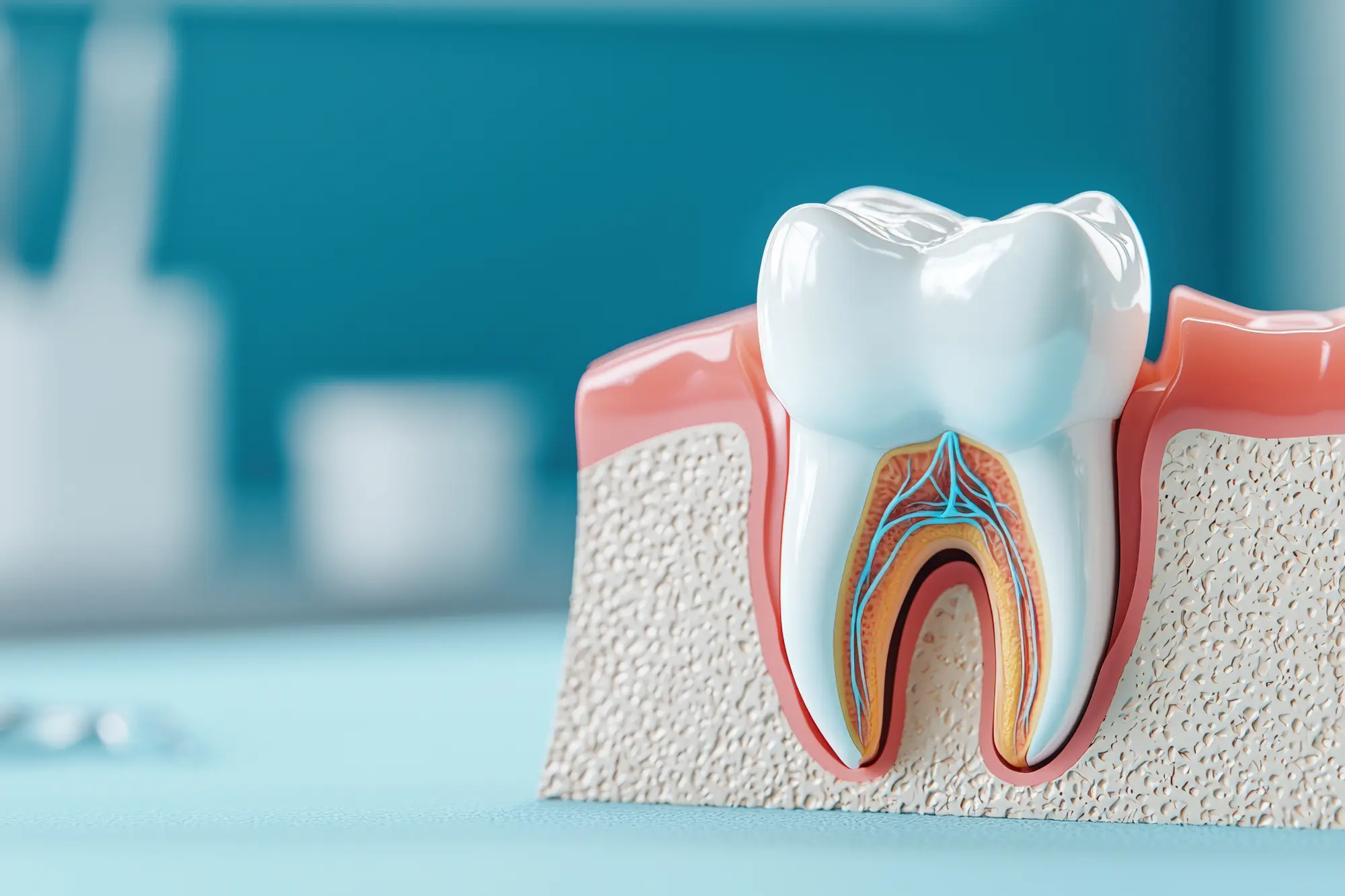
As noted by dental experts like Dr. Jeff Spillers, gum disease occurs when bacteria find their way into the space between your teeth and gums. If left alone, these bacteria don’t just sit there; they begin to destroy the very bone that holds your teeth in place.
The result?
- Receding Gums: Your gums begin to pull away from the teeth, making them look “long.”
- Bone Loss: The foundation of your smile begins to crumble.
- Loose Teeth: Without bone support, teeth begin to wiggle.
- Extractions: Eventually, the teeth may need to be pulled because they no longer have a “home” in your jaw.
The scariest part? Many of our patients go years—sometimes even decades—without a cleaning because they don’t feel any pain. By the time the teeth feel loose, the disease is already advanced. That is why we call it a silent disease, and why we are so proactive about screening for it at every iSmile Dentistry location.
Scaling vs. Root Planing: What Actually Happens?
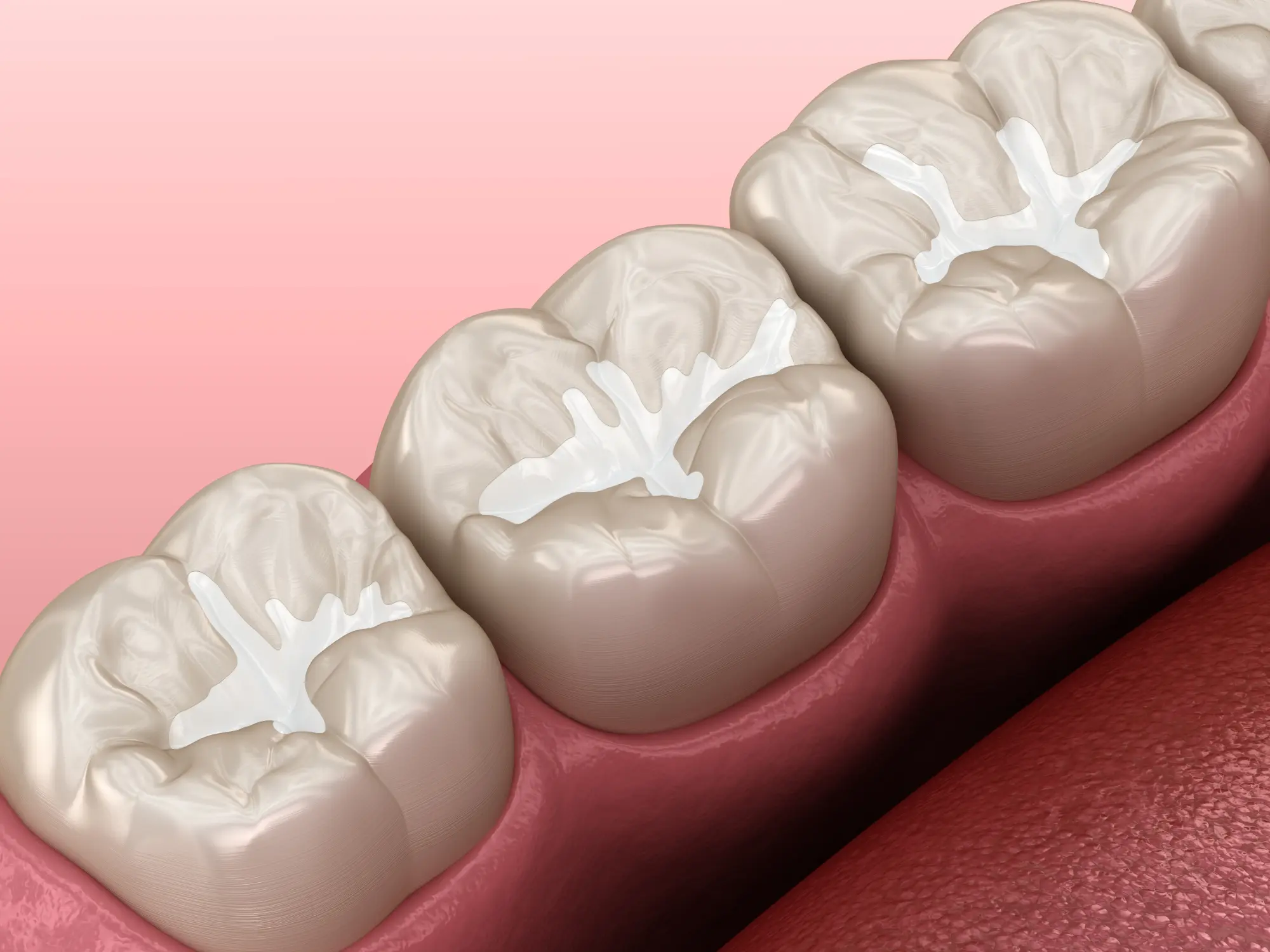
When you receive a “regular” cleaning (called a prophylaxis), we are primarily cleaning the part of the tooth you can see—the area above the gum line. But when bacteria move below the gum line, a regular cleaning can’t reach them. That’s where Scaling and Root Planing (SRP) comes in.
1. The Scaling Phase
Scaling is the process of removing plaque and tartar (also known as calculus) from the surface of the tooth and, crucially, from the “pockets” underneath the gum line.
Tartar is essentially “petrified” plaque. It’s hard, porous, and acts like a hotel for bacteria. You cannot brush tartar off at home; it requires professional instruments to carefully vibrate or scrape it away. During scaling, we make sure every bit of this buildup is removed so the bacteria have nowhere left to hide.
2. The Root Planing Phase
This is the “deep” part of the deep cleaning. Bacteria love rough surfaces because they provide plenty of tiny nooks and crannies to latch onto. When you have gum disease, the roots of your teeth can become rough and uneven.
Root Planing is the process of smoothing out those root surfaces. By “planing” the root, we achieve two things:
- We make it much harder for new bacteria to stick to the tooth.
- We create a clean, smooth surface that allows your gum tissue to physically reattach to the tooth.
Your Comfort is Our Priority
We know that “cleaning the roots” sounds like it might be uncomfortable. At iSmile Dentistry, we want to put those fears to rest. We believe that modern dentistry should be as painless as possible.
Managing Sensitivity
Before we begin the SRP process, we take steps to ensure you are completely comfortable. Depending on the depth of the cleaning needed, we may use:
- Topical Numbing Gels: High-strength gels that numb the gum tissue.
- Local Anesthetic: Injections that ensure you don’t feel a thing while we work deep under the gum line.
Our goal is for you to sit back and relax while we do the work of saving your smile.
The Two-Visit Approach
You might notice that we often schedule Scaling and Root Planing over two separate appointments. There are a few reasons for this:
- Patient Comfort: Cleaning the whole mouth deeply can be a lot for one sitting. By doing half the mouth (or one quadrant) at a time, we ensure the appointment isn’t too long or taxing.
- Insurance Requirements: Many insurance providers in Arizona and Utah require us to document the procedure in specific stages.
- Healing Evaluation: Splitting the visits allows us to see how the first half is healing before we move on to the second.
The Healing Timeline: What to Expect
The human mouth is an incredible thing. Because it has a very high blood supply, it heals much faster than almost any other part of the body.
After your Scaling and Root Planing session, you can expect to see results relatively quickly—usually within one to two weeks.
What Successful Healing Looks Like:
- Reduced Swelling: Your gums will likely “shrink.” This is actually a great sign! It means the inflammation is gone, and the tissues are becoming firm and healthy again.
- Color Change: Healthy gums are a light, “coral” pink. If your gums were dark red or purple before, you’ll see them return to a healthy pink hue.
- Reattachment: You won’t be able to see this, but the “pockets” we measured with our probes will begin to tighten up as the tissue heals against the smooth tooth roots.
Critical Aftercare: Helping Your Gums Heal
To speed up the healing process after your deep cleaning, our doctors at iSmile Dentistry recommend a few simple home-care steps:
- The Warm Salt Water Rinse: This is an old-school remedy that still works wonders. Rinsing with warm salt water a few times a day for the first 48 hours helps kill lingering bacteria and soothes the gum tissue.
- Gentle Stimulation: Use a soft-bristled toothbrush. While your gums are healing, you want to be thorough but gentle. Lightly massaging the gum line with your brush helps stimulate blood flow, which carries the nutrients your body needs to repair the tissue.
- Avoid Irritants: For the first day or two, try to avoid very crunchy, spicy, or acidic foods that might irritate the sensitive gum sites.
Life After SRP: Why the Schedule Changes
This is perhaps the most important part of the journey. Once you have been treated for periodontal disease, you have transitioned from “preventative” care to “maintenance” care.
Gum disease is not like a cold that goes away forever. The same bacteria that caused the problem are still in your mouth, and they are constantly looking for a chance to move back into those pockets. Research shows that in patients who have had gum disease, these bacteria can repopulate and begin damaging the bone again within 90 days.
The 3-4 Month Recall
Because of this 90-day cycle, our hygienists will likely recommend that you come in for a cleaning every three or four months, rather than the standard six.
Think of it this way: a “regular” cleaning every six months is like maintenance for a house that has never had a fire. A “periodontal maintenance” cleaning every three months is like a fire inspection for a house that is currently being rebuilt. We need to catch any “sparks” before they turn into a full-blown blaze again.
The Big Picture: Your Oral-Systemic Connection
At iSmile Dentistry, we care about more than just your teeth; we care about your overall health. Modern science has proven a direct link between the bacteria found in gum disease and serious systemic health issues, including:
- Heart Disease
- Diabetes
- Strokes
- Low birth weight in infants
By treating your gum disease with Scaling and Root Planing, you aren’t just saving your teeth—you are reducing the inflammatory load on your entire body.
Take Action Today
If it has been a while since your last cleaning, or if you’ve noticed that your gums bleed when you brush, don’t wait for pain to start. Remember, gum disease is a silent thief of smiles.
Our team of expert doctors at iSmile Dentistry is here to provide you with the gentle, comprehensive care you need. With multiple locations across Arizona and Utah, we make it easy to get the treatment you need to protect your smile for a lifetime.
Are you ready to restore your gum health?
Contact your nearest iSmile Dentistry office today to schedule a periodontal evaluation. Let’s work together to stop the silent disease and keep your smile healthy, strong, and beautiful.